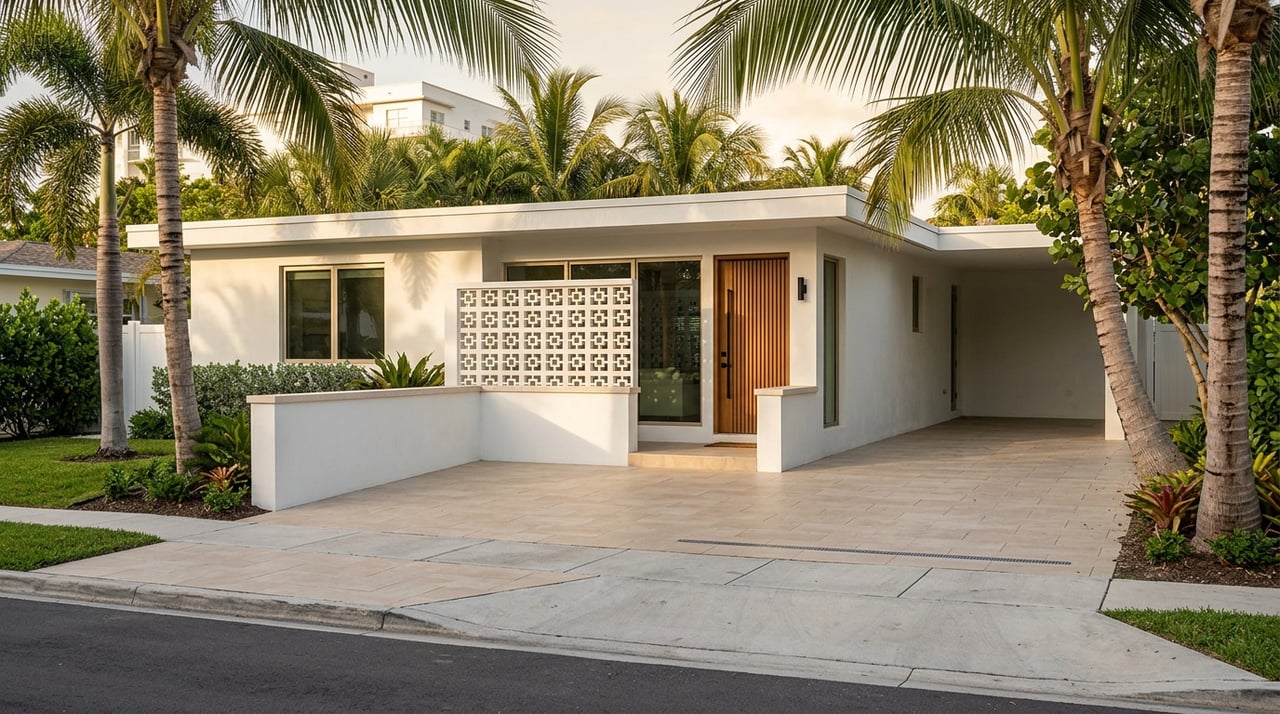
If you are choosing between a condo and a home on Fort Lauderdale Beach, the real question is not just price or square footage. It is how you want your beach lifestyle to work day to day. In 33304, both options connect you to the same public beach setting, but ownership feels very different once you factor in parking, privacy, upkeep, pets, and guest access. Let’s break down what matters most so you can make a smarter move.
Fort Lauderdale Beach Living Basics
One of the most important things to know about Fort Lauderdale Beach is that both condo owners and house owners share the same public beach environment. The beach is city-managed, with public access points, city rules, and designated accessibility features at Sebastian Street/A1A and Fort Lauderdale Beach Park. That means buying a house instead of a condo does not place you on a separate private beach system.
This shared setup matters because your ownership experience is shaped as much by the city as by the property itself. Beach access, parking, transportation, and pet rules all affect daily life. If you are buying from out of area, these details can be just as important as the view.
Condo Life on Fort Lauderdale Beach
For many buyers, a condo offers the easiest version of beach ownership. Under Florida condo law, the association is responsible for maintaining common elements and handling certain repair and replacement obligations defined in the declaration. That often creates the lock-and-leave setup many second-home and part-time owners want.
The tradeoff is that condo ownership is highly structured. Shared spaces, building systems, parking, elevators, storage, and guest policies are often managed through building rules. For buyers who want simplicity and support, that can feel efficient. For buyers who want maximum flexibility, it can feel restrictive.
What condo ownership often includes
A local example helps show how this works in practice. According to the Park Tower rules and regulations, the association maintains building insurance, while owners are responsible for insuring the unit interior, belongings, storage items, and vehicles. The same rules also cover guest parking fees, valet and reserved parking, loading dock use, access devices, party-room reservations, pet restrictions, and advance notice for open houses.
That does not mean every building works exactly the same way. It does mean you should expect condo living on the beach to come with a detailed operating framework. Before you buy, it is wise to review the building’s rules as carefully as you review the unit.
Why condo fees can feel higher
Some buyers compare condo dues to a simple estimate for lawn and pool service on a house, but that is not always an apples-to-apples comparison. Florida’s condo framework can require reserve funding for buildings subject to structural integrity reserve studies, which is one reason monthly dues may feel higher than expected under state statute. Those dues may support maintenance and long-term building obligations that do not exist in the same way with a nearby house.
For some buyers, that is a welcome trade. You may be paying more each month, but in exchange, much of the exterior and shared-system responsibility sits with the association rather than with you directly.
Beach House Ownership Nearby
A nearby single-family home usually offers a different kind of freedom. In Florida HOAs, authority over exterior appearance and improvements comes from the declaration and published standards, and state law limits that authority to what is stated or reasonably inferred there. In practical terms, that often means more homeowner control over the interior and day-to-day use of the property.
That said, a beach-area house is not the same as having no rules. You are more likely to handle maintenance directly, and you may still deal with neighborhood dues, parking permits, and optional services. The ownership model is more independent, but it is not entirely hands-off.
A local example of house ownership
The Lauderdale Beach Homeowners Association provides a useful local example. It serves dues-paying homeowners within its stated boundaries, and dues support neighborhood landscaping plus optional security patrol services for streets, parks, beaches, and parking lots. The current dues structure lists $100 in member dues plus security dues of $400 for non-oceanfront homes or $650 for oceanfront homes, as shown on its dues information.
This kind of setup highlights the appeal of a house for many buyers. You may get more privacy and more control, but you also take on more responsibility for upkeep, planning, and coordination.
Parking Is a Bigger Deal Than You Think
In Fort Lauderdale Beach, parking is not a side issue. It is a core lifestyle factor that can change how convenient your property feels during everyday life and busy weekends.
For beach access, the city offers a Residential Beach Parking Permit for $75 plus tax. It requires residency and vehicle documents, and it is valid at Fort Lauderdale Beach Park, North Beach meters, and Las Olas Garage, except during special events. Visitor parking at the beach is currently metered at $4 per hour, and the North Beach lot includes 77 spaces with a $4 per hour nonresident rate and a $1.50 residential rate.
For some house owners in nearby areas, there may be separate neighborhood parking rules. In the Birch Park Beach Finger Streets area, the city’s residential parking permit program is intended for individual homeowner use, allows up to five permits per residence, and offers HOA-managed guest permits on a first-come, first-served basis.
Condo parking vs house parking
Here is the simplest way to think about it:
| Option | Parking Experience |
|---|---|
| Condo | Often managed inside the building through assigned spaces, valet, guest fees, wait lists, or building rules |
| House | Often depends on your driveway or garage, plus city or neighborhood permit systems for overflow or guest needs |
If you entertain often, have multiple vehicles, or expect frequent guest parking, this deserves close attention before you choose a property type.
Privacy, Guests, and Daily Routine
A condo and a house can deliver very different day-to-day rhythms, even if they sit near the same beach.
A condo often works well if you want a more service-oriented setup. Shared amenities, building staff, and centralized maintenance can reduce the number of moving pieces in your routine. That can be especially attractive for second-home buyers, seasonal residents, or anyone who travels often.
A house often feels more private and more self-directed. You generally have fewer building-based routines and less dependence on elevators, front desks, loading areas, or common-space policies. If your ideal beach home includes hosting friends, managing your own outdoor space, or having a quieter daily flow, a house may feel more natural.
Pet Rules Matter on the Beach
If you have a pet, make this part of your decision early. The city’s park rules prohibit dogs and pets on the sandy portion of the beach, except for service animals and the designated Canine Beach area.
On top of that, condo buildings may have their own pet restrictions. The Park Tower example shows how specific those rules can become. If you are deciding between a condo and a house, make sure both the city’s beach rules and the property’s own rules fit your routine.
Getting Around Without Driving
Not every buyer wants to rely on a car for every trip. Fort Lauderdale offers the free LauderGO community shuttle, and the Las Olas Link specifically serves shopping, dining, and museums.
This can make condo living especially appealing if you want a more walkable or car-light beach lifestyle. That said, buyers considering a nearby house should also factor this into location choice, especially if easy access to Las Olas and the beach is part of the goal.
Which Option Fits You Best?
The right answer usually comes down to how you want to live, not just what you want to own. A condo is often the better fit if you want easier day-to-day ownership, shared amenities, and a stronger lock-and-leave setup. A house is often the better fit if you want more privacy, more control over the property, and a less structured living environment.
Before you decide, ask yourself a few practical questions:
- How many parking spaces do you really need?
- How often will you host overnight or weekend guests?
- Do you want building amenities and shared services?
- Are you comfortable managing more upkeep directly?
- Do your pet needs fit both city beach rules and property rules?
- Are you buying for full-time living, part-time use, or a future lifestyle shift?
In 33304, both choices can work beautifully. The difference is that condos tend to organize beach living through the building, while houses tend to place more control and planning in your hands.
If you want help narrowing the right fit for your routine, guest needs, and long-term goals, Latitude Key can help you compare Fort Lauderdale Beach condos and nearby homes with a more tailored, lifestyle-first lens.
FAQs
What is the main difference between a condo and a home on Fort Lauderdale Beach?
- A condo usually offers shared maintenance, building rules, and a more lock-and-leave ownership style, while a nearby home usually offers more privacy and control with more direct upkeep responsibility.
Are Fort Lauderdale Beach properties on a private beach?
- No. In this 33304 area, condo owners and house owners share the same public beach environment with city-managed access points and rules.
How does parking work for Fort Lauderdale Beach residents?
- Residents may qualify for the city’s Residential Beach Parking Permit, and some neighborhoods also have separate residential permit systems, while condos may manage parking through assigned spaces, valet, guest fees, or wait lists.
Are pets allowed on Fort Lauderdale Beach?
- Dogs and pets are not allowed on the sandy portion of the beach except for service animals and the designated Canine Beach area.
Is a condo or a house better for a second home near Fort Lauderdale Beach?
- A condo is often a stronger fit for second-home buyers who want easier day-to-day ownership and a lock-and-leave setup, while a house may suit buyers who want more privacy and flexibility.